Building the Infrastructure for a Greener Food System: Insights from the Scope 3 Podcast
.png)
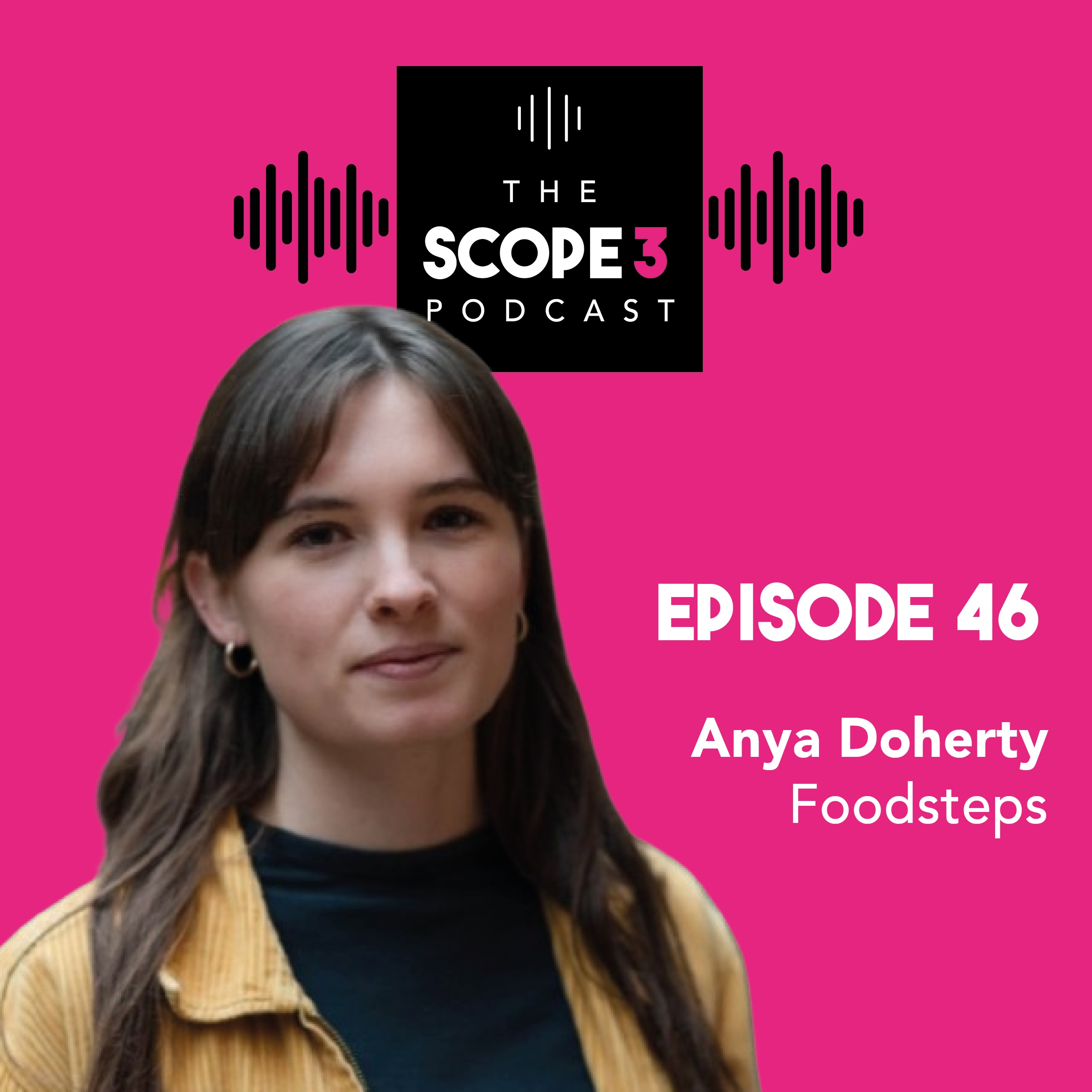
- Foodsteps CEO Anya Doherty featured on the Scope 3 Podcast to discuss scaling climate data across food supply chains.
- The platform has evolved from carbon labelling into comprehensive Scope 3 accounting and strategic recipe reformulation.
- Replacing secondary industry averages with first-party supplier data is essential for proving real-world emissions reductions.
- Building a shared environmental data language creates cohesive digital infrastructure across retail and manufacturing partners.
Listen to the Scope 3 Podcast - Anya's interview begins around 57 minutes, after an insightful conversation with the team at VITA Group.
How do you transform a global food system that relies on incredibly complex, often opaque supply chains? It starts with data that people actually trust.
In a recent episode of the Scope 3 Podcast, Foodsteps founder Anya Doherty sat down with Tom Idle to discuss the Foodsteps journey – from a research project at Cambridge University to a technology platform supporting the UK’s largest food businesses.
Here are four key takeaways on what it takes to build credible environmental data tools today.
1. Moving Beyond Labels to Systems Change
Foodsteps began with a focus on carbon labelling – a vital tool for consumer transparency. However, as the regulatory landscape shifted, so too has our platform. We’ve evolved into a full-service infrastructure that addresses the "big picture" of the food industry:
- Comprehensive Scope 3 Assessments: Moving from product-level snapshots to company-wide footprints.
- Strategic Reformulation: Using data to help chefs and developers swap high-impact ingredients for lower-carbon alternatives without sacrificing quality.
2. The Great Debate: Data Quality vs. Speed
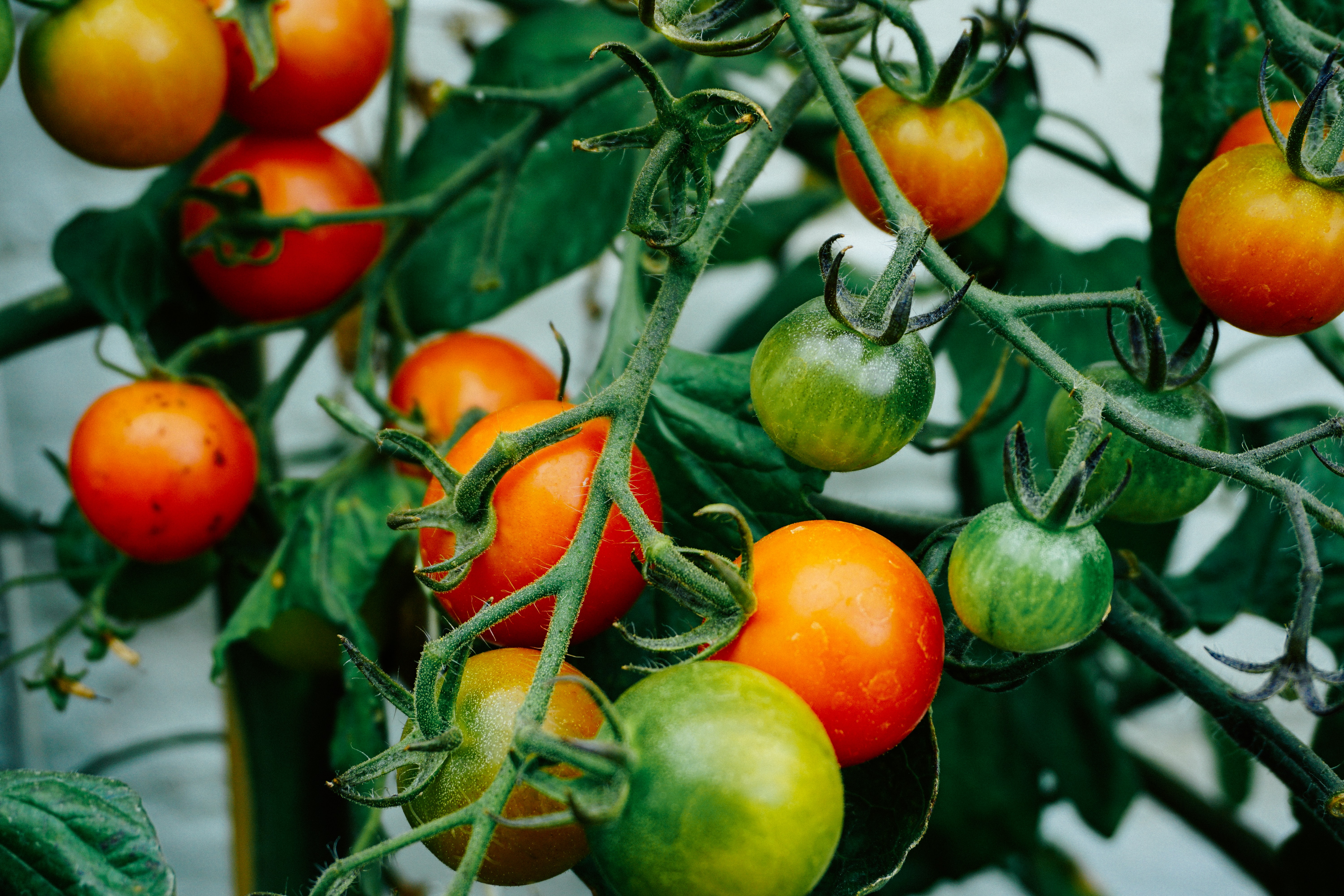
One of the most frequent questions we face is: Do we need perfect data before we act? Anya explores the perceived trade-off between precision and pace. While "perfect" data is the goal, the food system needs actionable insights now. We pride ourselves on the granularity of our emissions factors and the ease with which suppliers can upload their data via our Supplier Hub, but this level of detail isn't available 100% of the time. The key is building a system that allows for rapid initial assessments while providing a clear pathway to greater accuracy as more primary supplier data becomes available.
3. The Power of First-Party Supplier Data
You cannot manage what you do not measure, and you cannot measure Scope 3 emissions accurately without your suppliers. We’ve found that the future of environmental validation lies in direct collaboration. By moving away from industry averages and toward first-party data from the supply chain, Foodsteps is pioneering the move from estimating impact to proving reductions.
4. Creating a Cohesive Infrastructure
The future of Foodsteps isn't just about more data; it’s about deeper integration. We are focused on building the digital infrastructure that will allow food businesses and their partners to communicate in a shared environmental language.
Whether you are a Scope 3 practitioner or just curious about the future of food tech, this episode is packed with insights on scaling sustainability, sustainably.
Here are some other ways to listen:
- Listen on the Scope 3 Website: Scope 3 Peer Group
- Listen on Spotify: Click here
- Listen on Apple Podcasts: Click here
A special thanks to Oliver Hurrey and the Scope 3 Peer Group for hosting this essential conversation and bringing together leaders dedicated to decarbonising our supply chains.